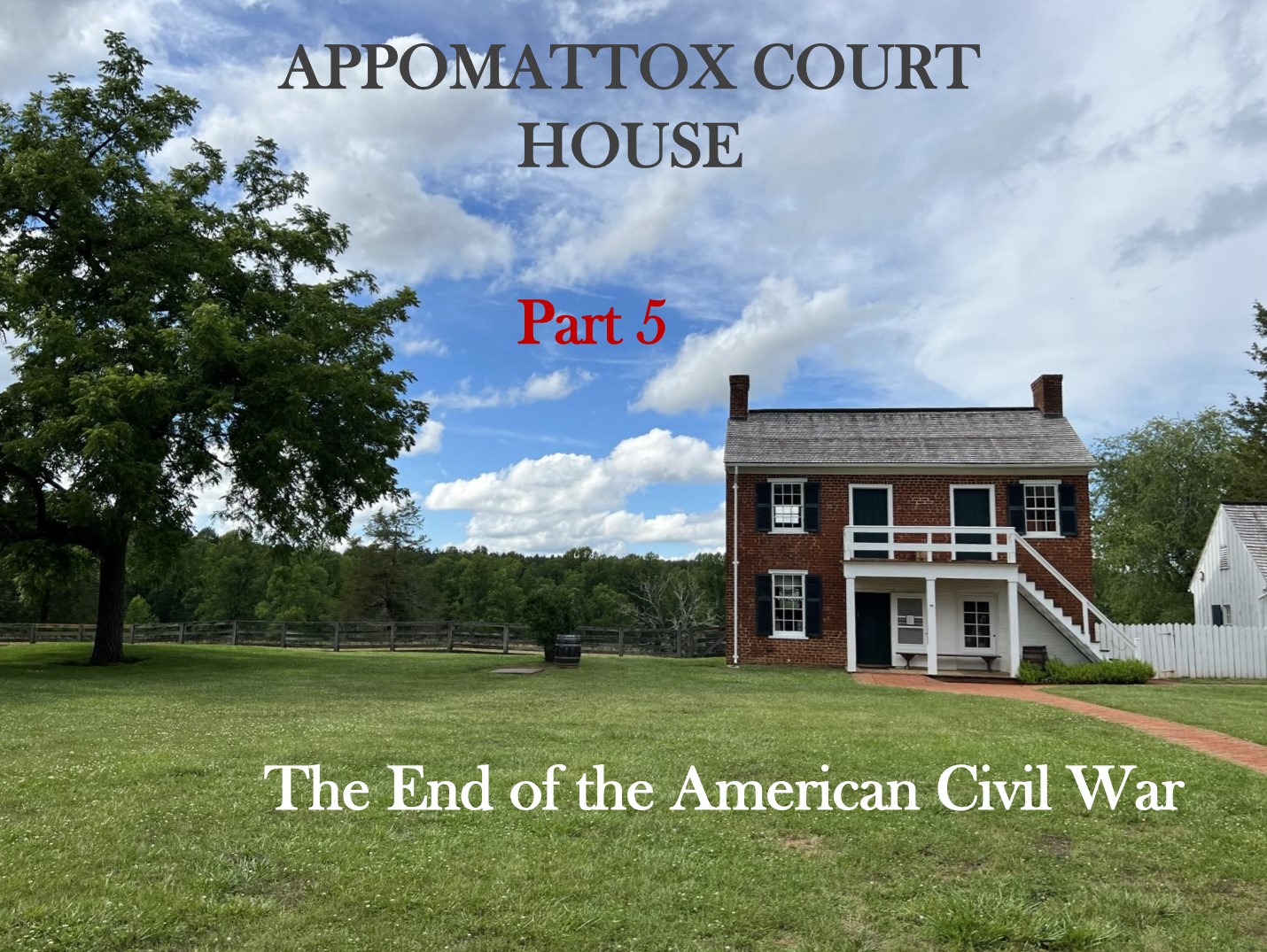
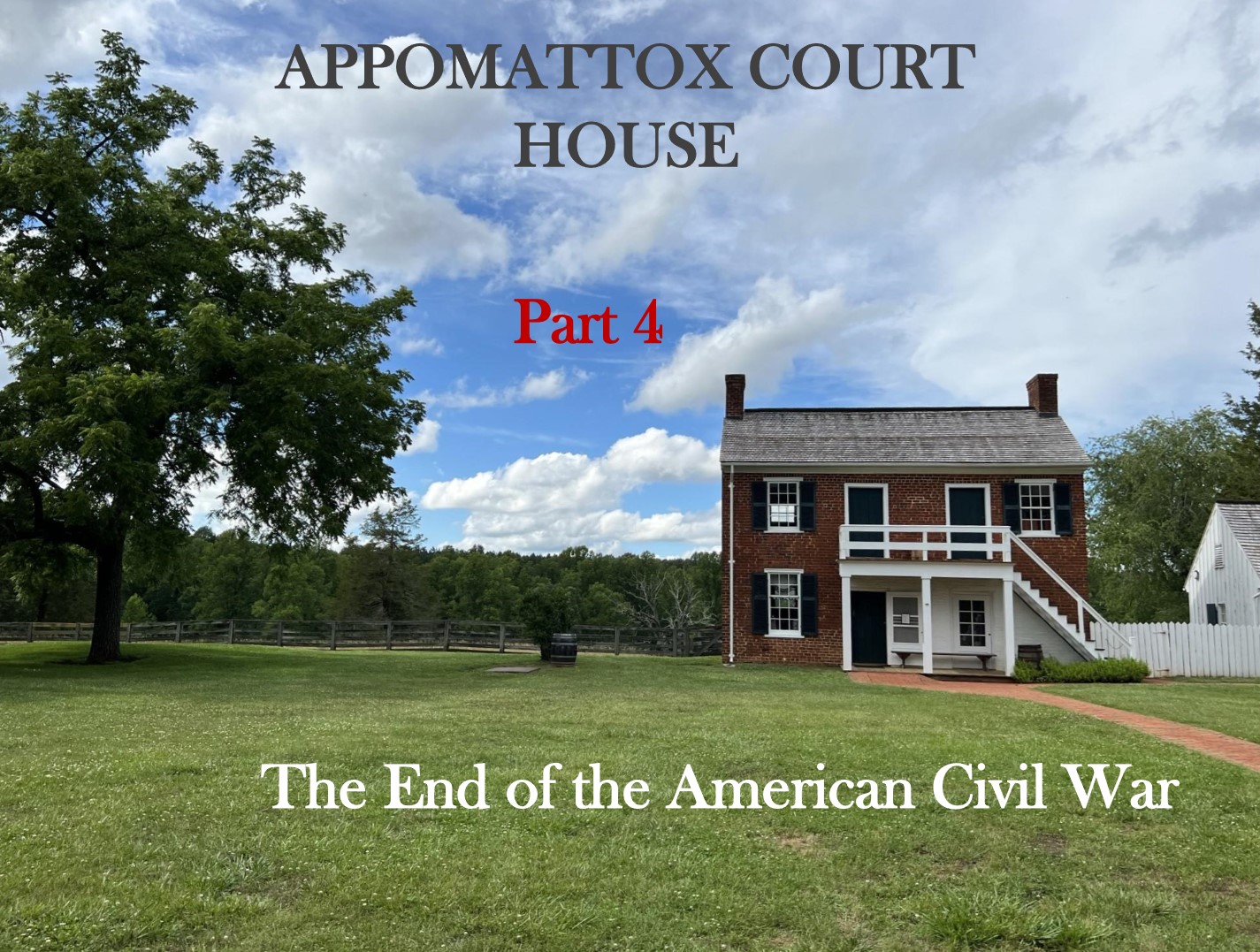
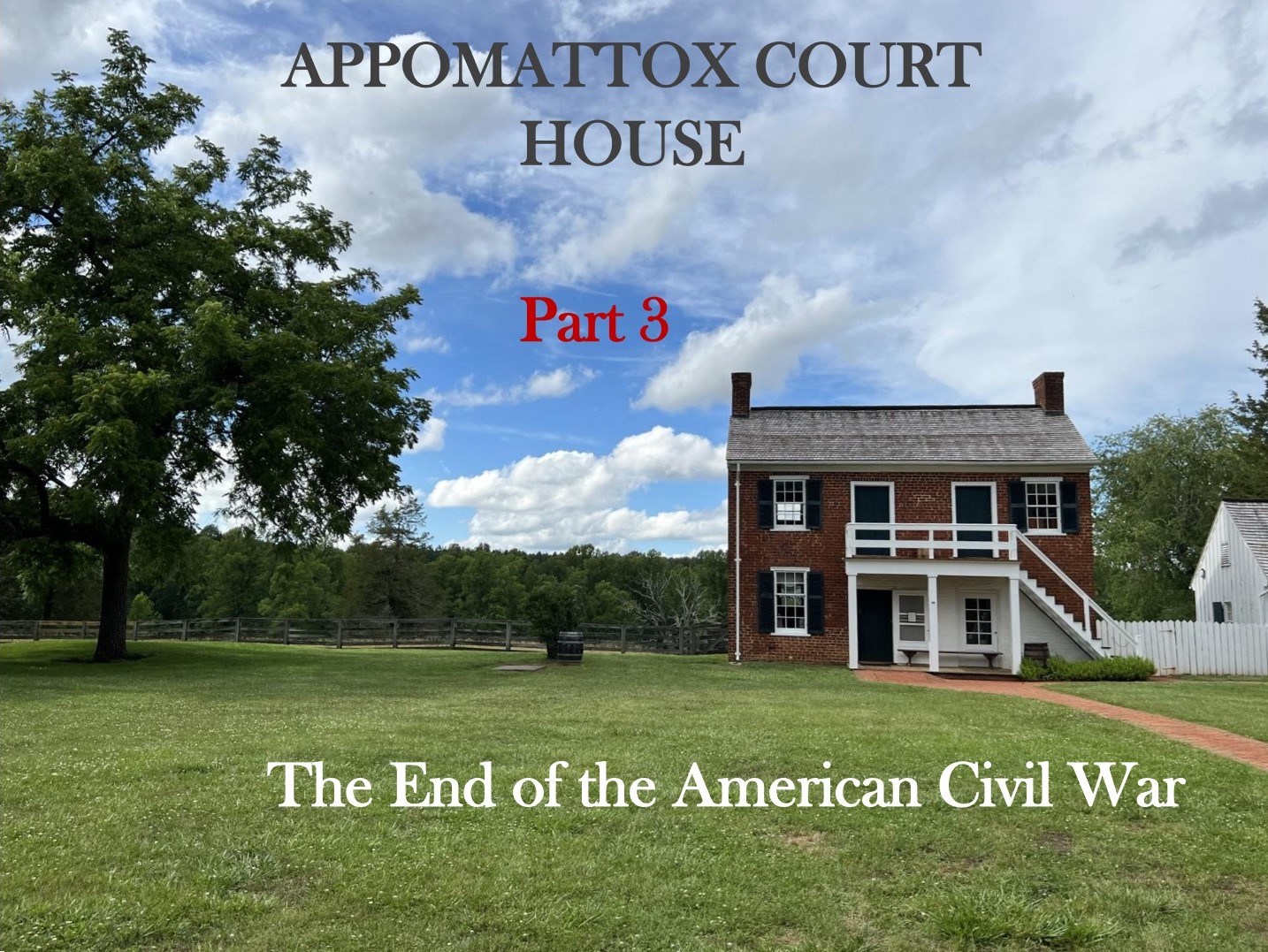
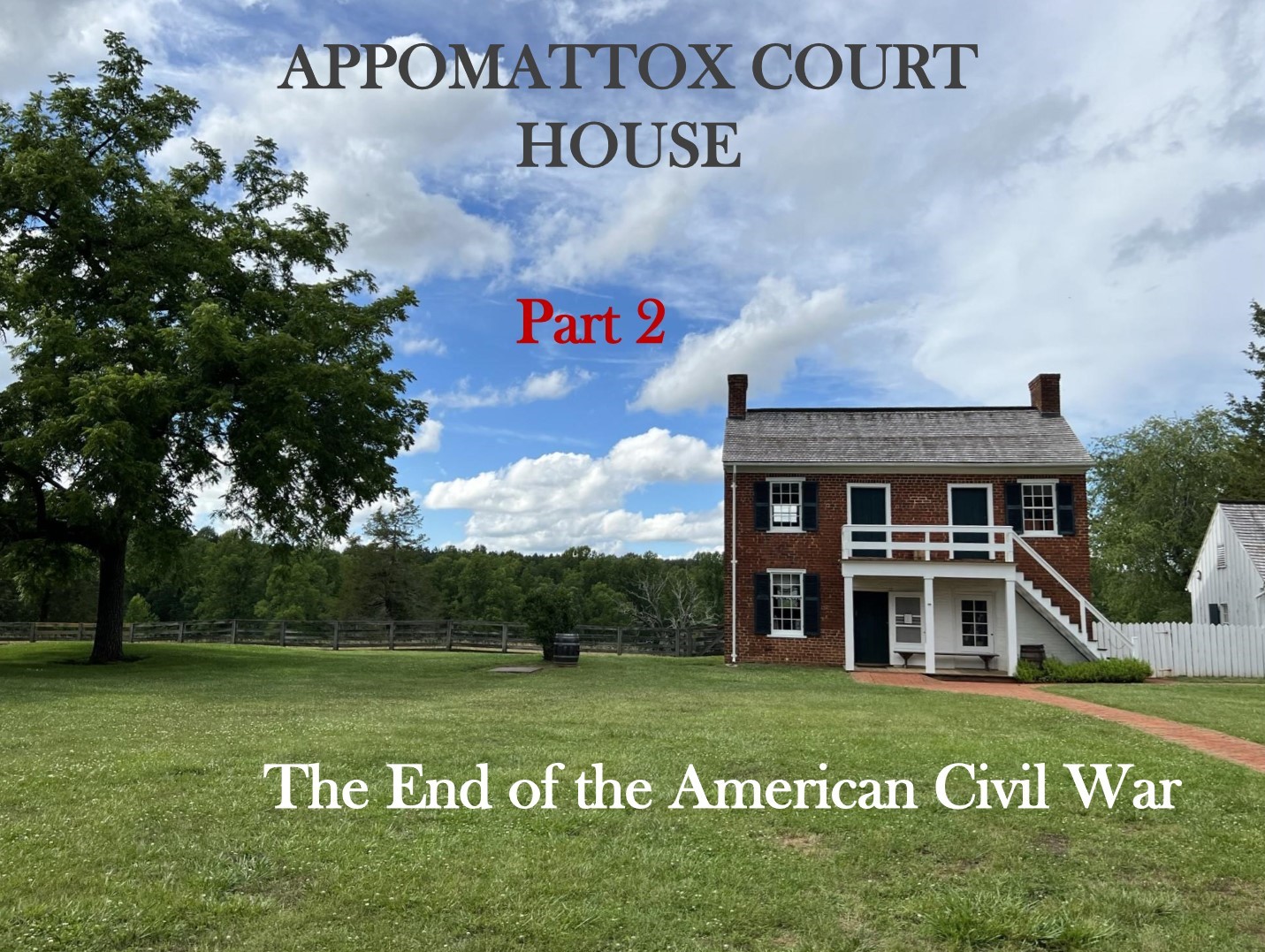
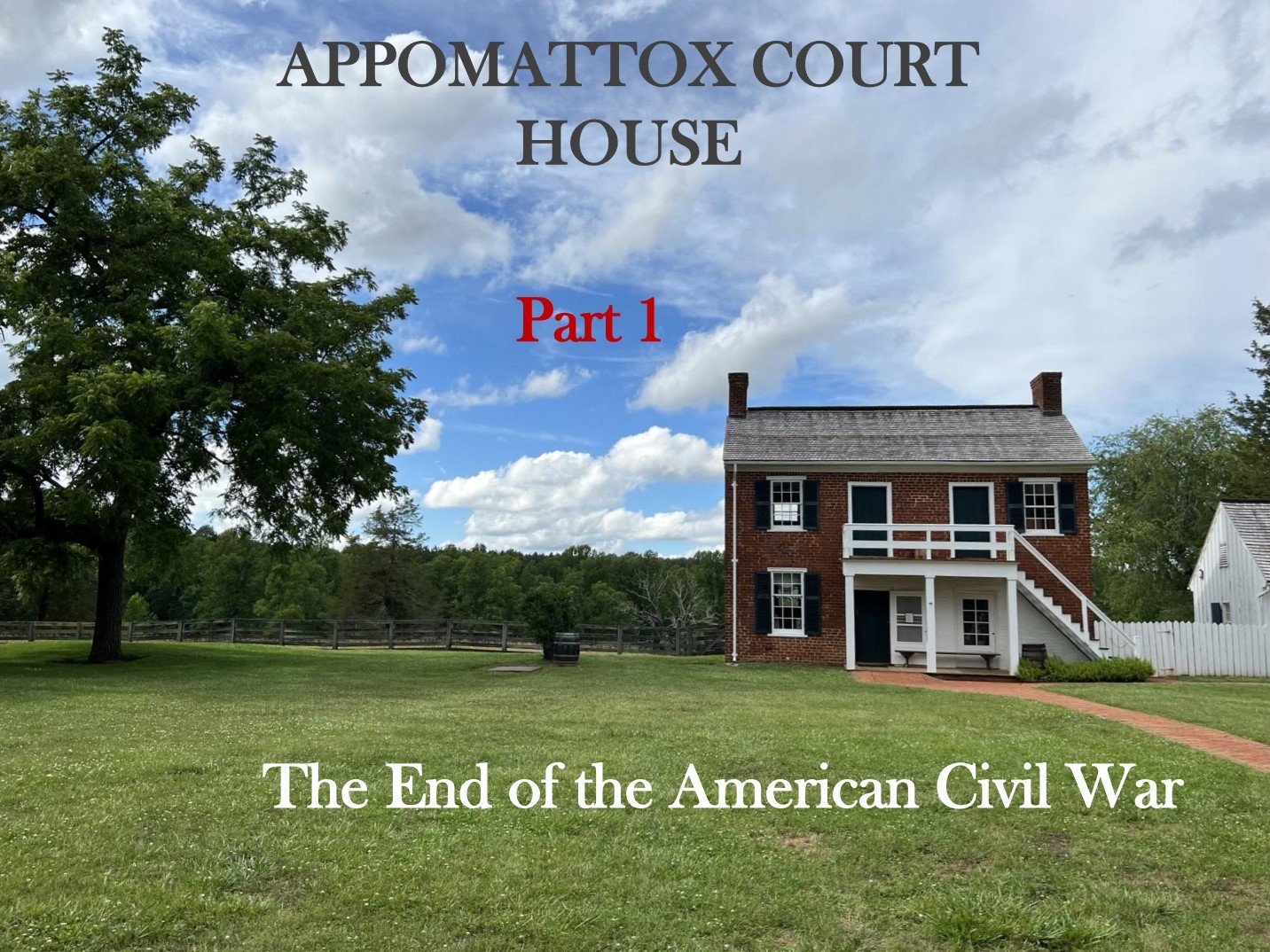
WILMER MCLEAN’S HOUSEIN THE VILLAGE OF APPOMATTOX COURT HOUSE
The American Civil War is circumscribed by this phrase to define its beginning and its end–‘From Manassas to Appomattox.’ The former is the city near which the war began; the latter where it ended.
It could very well have been alluded to as ‘From Wilmer McLean’s House to Wilmer McLean’s House,’ instead. I’m not joking.
Abraham Lincoln’s election as president of the United States galvanized the Confederacy movement. Even before he was sworn in, some Confederate states had alienated themselves from the country. It was clear that America was about to plunge into a civil war.
Also clear was the main directive for the Union Army—capture Richmond, the Confederate capital.
It was four years before that happened—four years, far too many lives lost, battles fought, and four chief commanding generals appointed to the Union Army. The man who ended the American Civil War, Ulysses S. Grant, was the last, and he accepted his commission from President Lincoln in April of 1864.
ROBERT E. LEE: THE CIVIL WAR GENERAL WHO KNEW WHEN TO SURRENDER
If Robert Lee had written his own memoir, he might well have started it with the same phrase Ulysses S. Grant used in his, “My family is American. . .”
In the America of the late nineteenth century of Grant and Lee—after enormous tracts had been released by the Louisiana Purchase and Lewis & Clark had gone on their exploration of the wild, wild west—there was a strong movement westward to fill in the spaces, and not enough people to populate them.
So, began another wave of immigration into the U.S.
I suppose then it became a matter to pride to distinguish yourself from the new Americans, which was why Grant emphatically used that curious phrase.
The American Civil War ended in the village of Appomattox Court House with the Confederate general, Robert Lee, surrendering to the Union Army general, Ulysses S. Grant.
That surrender brought to a culmination four long years of hardship, privation, and a vast destruction of life and property.
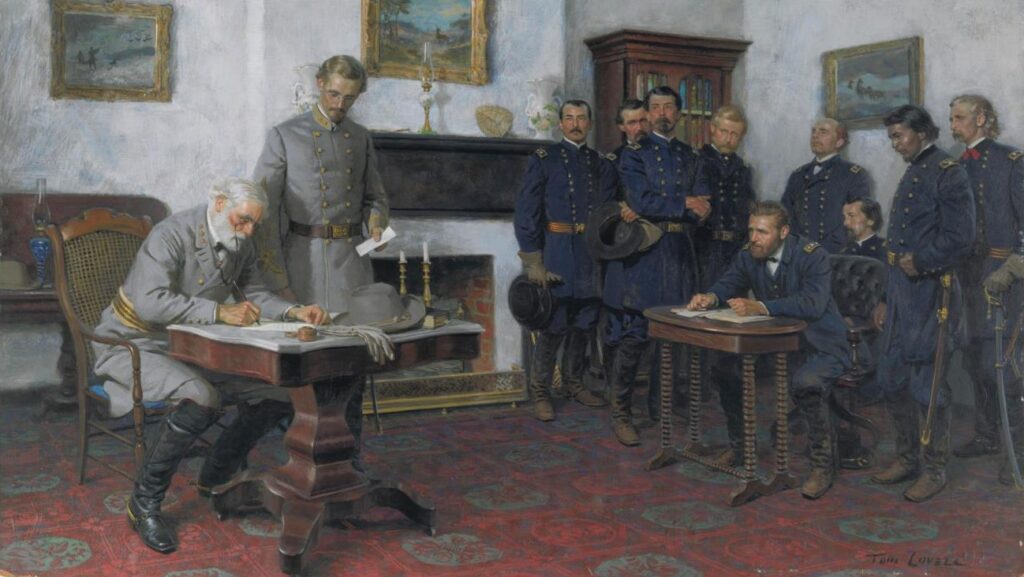
To sign the surrender documents, Grant and Lee met in the front parlor of Wilmer McLean’s home in the village of Appomattox Court House. Lee brought along just one officer, Colonel Marshall (by his side in the gray Confederate uniform).
Grant dismounted in the front yard and went in alone at first to greet Lee. Then, his officers came in—his staff and the generals who were nearby during this last campaign. Painting by Tom Lovell from here.
A civil war—and I’d made the comparison of it with a fierce family conflict—is fought between people who have. . .connections, either some point of contact somewhere in the past, or childhood tussles, or familial links, or even long adult friendships.
Most of the officers on both sides were West Point graduates, which meant four years of study, and four overlapping graduating classes, and so, they most of them knew each other from college.
The ones who stayed on in the army after graduating had further associations, either serving below or above their antagonists in this American Civil War.
Interestingly enough, Ulysses S. Grant and Robert E. Lee, who commanded the opposing armies—despite their both being military men, both graduates of West Point, part of the army family—had come across each other only once.
This was during the Mexican War (1846-48) when Lee was Chief of Staff for General Scott, who was directing the U.S. Army, and Grant a mere lieutenant. It was a. . .non-meeting, really.
THE ORIGINS OF THE VILLAGE OF APPOMATOX COURT HOUSE
We’re on a long drive from. . .well, one place to another this past summer, and I’m bored and swiping on the map on my phone for somewhere to stop and stretch our legs. A name pops up. Appomattox. Appo-ma-ttox. Appo—
My kid, in the back seat (who’s obviously been paying attention in history class) pipes up, and fixes my memory into place.
We redirect the GPS, and we’re off. It’s a good thirty miles aslant of our intended route, but what matter, when there are such riches to be met at the end of it!